

[ad_1]

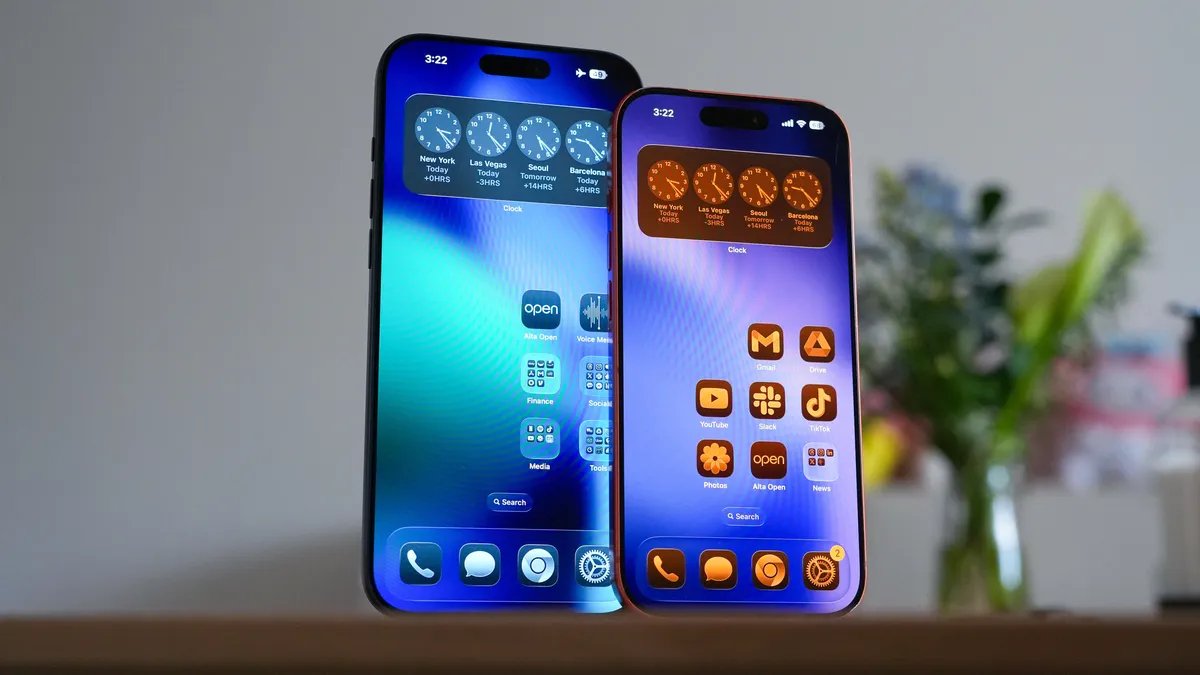
iPhone 17 Pro and iPhone 17 Pro Max
Kerry Wan/ZDNET
Follow ZDNET: Add us as a preferred source on Google.
ZDNET’s key takeaways
- Your phone’s battery is measured in mAh, or milliampere-hours.
- In 2026, the standard for most phones is 5,000 mAh.
- How you use your phone matters more to the battery’s longevity.
After the camera, display, and latest AI-powered features, perhaps the most important features on a new phone is the battery. Each year, manufacturers boast longer battery life and more capacity. lMeasured in mAh, a phone’s battery is an important factor for many buyers.
Also: How much storage does your phone really need in 2026? Probably less than you think
While it might be enticing to splurge for a phone with a huge battery, a large mAh doesn’t necessarily guarantee you’ll be happy with the results. So what is mAh, why does it matter, and why do today’s phones with over 6,000 mAh struggle to last all day when your old phone with 4,000 mAh lasted way longer?
First, lets define our terms.
What is mAh?
Without getting too technical, mAh stands for milliampere-hours, or how many milliamps of current a battery can provide for one hour. The bigger the battery, the larger the mAh number, and the more power the battery can hold before it needs recharging.
Today’s phones have bigger capacities than ever, but they’re also doing more than ever. The power required to keep modern smartphones going is worlds higher than phones from years ago. So, how much your phone’s battery holds isn’t the only factor in how long that battery will last, as a phone with a bigger battery often comes with processes and features that drain that battery more quickly.
Also: How much RAM does your phone really need in 2026?
Your device’s processor, the display, any software optimization like battery saver, what programs you have running, your phone’s refresh rate, the battery’s age, and even the temperature all impact how quickly your phone consumes available battery.
What’s a good mAh in 2026?
Battery capacity is one case where the endless Android vs. Apple battle truly matters. You’ll almost always see smaller battery capacities on iPhones, yet they function the same as larger capacity Android counterparts. For comparison, Apple maxes out at just under 5,000 mAg while Android phones can reach 6,000 at present.
In 2026, right around 5,000 mAh is the Android standard. Just a few years ago, this was the ceiling for batteries, but now it’s the norm. Most modern smartphones consume about 500 mAh per hour, so a 5,000 mAh battery gets you approximately 10 hours of use.
Also: Why Apple’s iOS 26.6 is worth installing (it’s not just for the 91 security fixes)
Given that math, it means that if you’re eyeing a phone with a super-sized battery in the 6,000 mAh range or above, you’re only getting around an hour of use more compared to a 5,000 mAh. Since a larger battery isn’t automatically a ticket to your phone lasting all day and how you use the phone is a bigger factor, here’s a guideline to what you can expect.
Under 4,700 mAh
This will get you a day’s worth of scrolling and streaming, but if you play games or take photos or video, you’ll probably need a top-up before the day is over. If you use your phone mostly for a communication device, you’ll be fine in this range.
4,700 to 5,500 mAh
Most Android flagship phones today like the Pixel 10 Pro and the Galaxy S26 come in right around 5,000 mAh. If you want to use your phone for social media, streaming, taking photos and videos, or other non-phone related purposes, you’ll want a battery in this range.
6,000 mAh and above
Samsung Galaxy Z Fold 8 and Ultra
Kerry Wan/ZDNET
Once you get to 6,000 mAh and more, you’re at the highest end of current cell phone battery capacity. These phones either utilize new silicon-carbon batteries or are geared towards gamers that need high-end processors that eat up a ton of battery life. For casual users, a battery this size might not make a huge impact on day-to-day use.
If you’re shopping the latest phone for an eye-catching battery capacity because your current phone isn’t making it through the day, there’s a good chance you won’t see a massive improvement based on that alone. Changing how you use your device and changing some settings matters a whole lot more.
Also: Everything announced at Galaxy Unpacked 2026: Can Samsung compete with the rumored foldable iPhone?
Also, some phones are just more power-hungry than others. Foldables and other big-screen devices, for example, boast the largest batteries on the market — but they also require much more power than an older iPhone or flip phone with a comparatively tiny battery. In the end, the phones with the smaller battery might even outlast them.
[ad_2]
Source link
